Mohsen Al-Shammari: An Artistic Journey from Babylon to the Visual Arts Scene
Born in Babylon in 1954, artist Mohsen Al-Shammari holds a Master’s degree in Fine Arts from the University of Babylon. He held his first solo exhibition at the Al-Wad Hall for Arts and Culture in Babylon in 2019.
Mohsen Rashid Al-Shammari is a prominent Iraqi visual artist, born in the Babylon Governorate in 1954. He is renowned for his abstract-expressionist style, which weaves together themes of human suffering and authentic Iraqi heritage.
He has participated in the majority of art exhibitions organized by the Iraqi Fine Artists Society—both at its central headquarters and its Babylon branch—in addition to taking part in various exhibitions across other Iraqi provinces and abroad. He is a member of both the Iraqi Artists Syndicate and the Iraqi Fine Artists Society.
Biography and Academic Background
• Academic Qualifications: Holds a Master’s degree in Fine Arts from the University of Babylon.
• Professional Memberships: A member of the Iraqi Artists Syndicate and the Iraqi Fine Artists Society.
• Solo Career: Held his first solo exhibition at the Al-Wad Hall for Arts and Culture in Babylon in 2019.
Artistic Style and Philosophical Vision
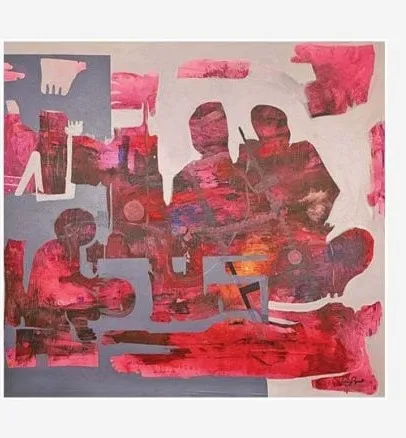
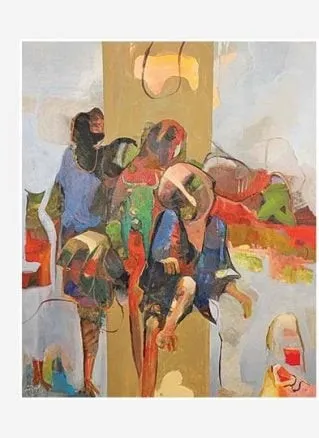
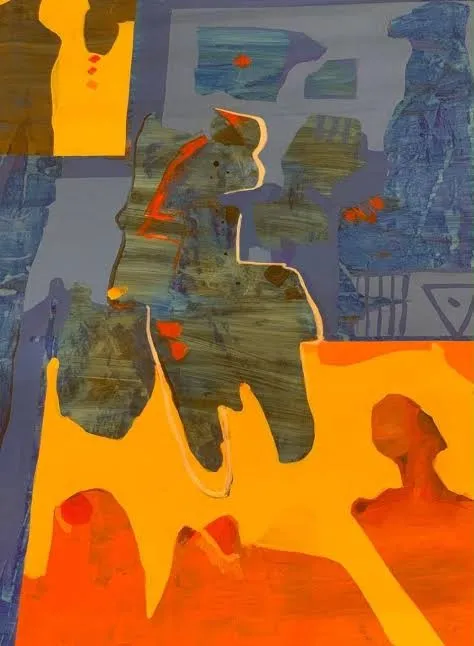
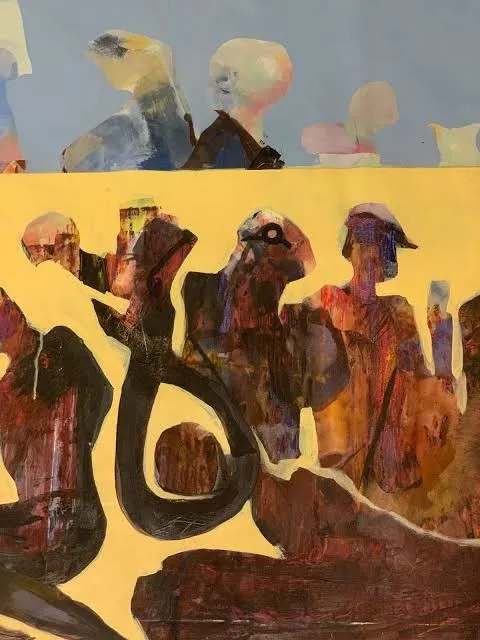
• Deconstructing Pictorial Structures: His work is characterized by an irregular use of scale and space; he moves beyond traditional framing to create complex compositions that resemble murals, left open to interpretation.
• Humanistic Themes: His paintings focus on documenting human tragedies and the impact of war on both the people and the landscape of Iraq. • The Mission of Art: He believes in the role of visual art in purifying the human soul and elevating the collective sensibility.
Notable Exhibitions and Participation
• "Sensations" (Ahasees): A major solo exhibition, which opened at the Dhy Gallery in Zamalek, Cairo, on November 15, 2026, and runs until November 27, 2026.
• Group Exhibitions: He has been a regular participant in numerous art exhibitions and symposiums organized by the Iraqi Fine Artists Society, both within Iraq and abroad.
Muhsin Al-Shammari: Art as the Ultimate Filter for Purifying the Soul
Reflecting on his vision of art and his creative process, Al-Shammari states: "Life, in its dynamic sense, is the 'self' (nafs). In this murky environment, the self requires filters so that the 'spirit' (ruh) may receive it in a purified state. Art serves as the finest form of filter—refining and purifying the self as it transitions toward the spirit, ultimately fostering pleasure and profound joy."
Riyadh Ibrahim Al-Dulaimi: Al-Shammari as Director, Screenwriter, and Storyteller
In his analysis of the artist’s work, Iraqi writer Riyadh Ibrahim Al-Dulaimi suggests that Muhsin Al-Shammari simultaneously assumes the roles of director, screenwriter, and storyteller. He notes that Al-Shammari deliberately eschews traditional perspective and conventional viewing angles, transforming the visual elements within his paintings into shadows and phantoms set against the backdrop—all within an atmosphere dominated by dark tones and a sense of mystery. Al-Dulaimi adds that the artist conceives his works through an imagination and style that blend the absurd with the irrational. His visions are not merely daydreams; rather, they are moments of heightened awareness transformed into mythic scenes, imbued with clear meanings, imagery, and messages.
Deconstructing and Reconstructing the Scene in Al-Shammari’s Work
Al-Dulaimi notes that Al-Shammari’s use of materials, colors, and artistic elements—along with techniques like cutting, collaging, and the manipulation of light and shadow—is a deliberate, conscious choice designed to serve the core concept of the visual text. While his works might appear random or absurd at first glance, they are, in reality, rooted in precise organization and a professional approach to structure and composition.
He observes that the artist’s style is founded on the processes of demolition and deconstruction, followed by reconstruction. By stripping away the specificity of place and leaving the temporal moment undefined, the artist leaves the scene open to the possibilities of the unknown and to unexpected conclusions.
Al-Dulaimi points out that Al-Shammari’s practice aligns with concepts found in Surrealism and Dadaism, as he breaks traditional artistic rules and liberates his compositions from academic constraints. He suggests that these works reflect a state of human chaos and turmoil, evoking the tragedies experienced in Iraq under the weight of occupation and the instruments of death.
Al-Dulaimi concludes his analysis by noting that Al-Shammari’s paintings resemble "bloody battlefields" (reminiscent of the tragedy of Al-Taff) and "everyday Guernicas"—a visual expression of the Iraqi tragedy, carrying a depth of human suffering that transcends the capacity of traditional artistic expression.